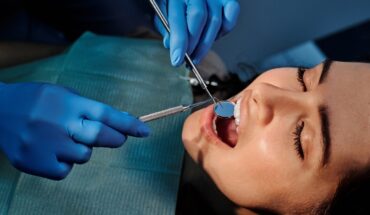
Visiting the dentist is not always a pleasant experience for everyone. For many, the idea of drills, needles, and other dental equipment can cause significant anxiety. Thankfully, modern dentistry provides various types of dental anesthesia to ensure that procedures are as comfortable and pain-free as possible. Whether you’re going for a routine cleaning or discussing more complex procedures like teeth express in Tustin, CA, understanding the different types of anesthesia can help ease your mind and prepare you for the experience.
The Basics of Dental Anesthesia
Dental anesthesia is essential in making dental procedures more tolerable. It works by blocking the nerves that transmit pain signals to the brain, allowing patients to undergo treatments without discomfort. The choice of anesthesia depends on the procedure, the patient’s medical history, and the preference of the dentist. From simple numbing agents to deeper sedatives, there’s a range suitable for every need.
Local Anesthesia
One of the most common forms of dental anesthesia is local anesthesia. It is typically used for procedures that don’t require the patient to be completely unconscious. Local anesthesia is applied directly to the area that will be treated, providing numbing of the tissues. The most well-known local anesthetic is lidocaine, which acts quickly and has a short duration, letting patients leave the dentist’s office feeling normal soon after the dental work is completed.
Local anesthesia is commonly used in procedures such as cavity fillings and minor gum surgeries. It’s a safe option for most patients and carries very few risks. However, a brief consultation with your dentist can clarify any concerns, especially if you have existing health issues that might interact with anesthetic medicines.
Types of Sedation
Inhalation Sedation
With inhalation sedation, patients breathe in nitrous oxide, commonly known as “laughing gas.” This type of sedation is mild and helps anxious patients stay calm during procedures. It allows you to remain conscious and responsive while feeling a pleasant sense of relaxation. The effects wear off quickly after the procedure, making it convenient for those with busy schedules. Children undergoing procedures that aren’t too invasive often benefit from this type of sedation.
Oral Sedation
Oral sedation involves taking a pill about an hour before the procedure. Depending on the dosage, oral sedation can range from minimal to moderate, calming the nerves and sometimes causing drowsiness. It is often used for patients who experience significant anxiety regarding dental visits. While it might leave you feeling groggy, the effect gradually wears off, and you might need someone to drive you home after the procedure.
IV Sedation
IV sedation, or intravenous sedation, involves administering sedatives directly into the bloodstream. This method allows the dentist to adjust the level of sedation quickly. Suitable for lengthy or more intensive procedures, like when you need to remove wisdom teeth, IV sedation is particularly effective for those with dental phobia. Despite its potent effects, patients remain conscious yet relaxed and may not remember much about the procedure afterward.
General Anesthesia
General anesthesia is the most profound form of sedation used in dentistry, inducing complete unconsciousness. It is typically reserved for very complex, invasive procedures or for patients who cannot tolerate other forms of anesthesia due to medical conditions, anxiety, or both. Under general anesthesia, you will be completely asleep, and you won’t have any memory of the procedure.
This type of anesthesia requires careful monitoring and is usually performed in a hospital setting. Despite the comprehensive care involved with general anesthesia, advancements in its administration have made it safer than ever before. Your dentist or oral surgeon will discuss the specific risks and benefits with you to ensure you are fully informed.
Choosing the Right Anesthesia for Your Needs
The choice of dental anesthesia depends on several factors including the complexity of the procedure, your pain threshold, and your anxiety levels about dental work. Your dentist will assess these factors and discuss the best options based on your medical history and personal preferences. For some procedures, such as getting veneers at Experience Dental Implants of Orange County, your dentist may recommend a particular type for optimal comfort and results.
It’s essential to communicate openly with your dental professional about any concerns you have. This dialogue ensures that you receive the most effective and appropriate level of anesthesia, allowing for a smoother and more comfortable experience overall.
Potential Risks and Side Effects
Though dental anesthesia is generally safe, it’s not without potential risks and side effects. Local anesthesia might occasionally cause allergic reactions, while sedation can lead to dizziness, nausea, or drowsiness. Additionally, with general anesthesia, the risks are higher and may include heart issues or respiratory problems.
Understanding these risks can help you feel more confident about your choices. Always ensure that your medical history is up to date with your dentist, and never hesitate to ask questions about what to expect before, during, and after the procedure.
A Closer Look at Recovery
After undergoing dental anesthesia, recovery generally depends on the type and amount administered. For local anesthesia, you can resume normal activities soon after the numbness wears off. In contrast, recovery from sedation may require a longer rest period, during which you’ll need to avoid operating heavy machinery or undertaking anything requiring full cognitive function.
Post-sedation, having a friend or family member accompany you home can provide additional reassurance and support. Taking these precautions is especially important when sedation is deep or if you’ve undergone a comprehensive procedure requiring extensive dental work.
Conclusion: Embracing a Comfortable Dental Experience
Understanding dental anesthesia and its various types can significantly alleviate the anxiety associated with visiting the dentist. Whether it’s a routine check-up or a more involved procedure, knowing what to expect and understanding the choices available to you will help pave the way for a stress-free dental experience. Remember, your comfort and safety are paramount, and modern dentistry has the tools to ensure that your time in the dentist’s chair is both pleasant and productive.