Ask ten people how often they see the dentist for a cleaning and you will probably hear a handful of different answers. Some go every six months like clockwork. Some go once a year when they remember. Some only book when something hurts. The question comes up constantly, and it deserves a clear, practical answer that fits real life.
This guide walks through the standard recommendation, the reasons behind it, the situations where your dentist may suggest a different rhythm, and what actually happens during a professional cleaning. By the end, you should have a good sense of how often your own mouth needs attention and how to make each visit count.
The Standard Answer: Every Six Months for Most Adults
The most common recommendation is a professional cleaning and exam twice a year, roughly every six months. This schedule is a long-standing convention in dentistry, and it works well for many people because it gives your dental team regular checkpoints without being a burden on your calendar.
Six months is a useful interval because of how plaque behaves. Plaque is the soft, sticky film of bacteria that builds up on teeth every day. If it stays in place, it hardens into tartar (also called calculus), which brushing and flossing cannot remove. Once tartar forms, only a dental professional with the right instruments can take it off. A twice-yearly visit clears that buildup before it has a chance to irritate the gums or settle into hard-to-reach spots.
The six-month guideline is a starting point. It is not a rule carved in stone. Your dentist looks at your gums, your history, your habits, and your overall health, then recommends a schedule that suits you. Some people do well with a longer gap, and many benefit from a shorter one.
Why Regular Cleanings Matter Even If You Brush and Floss Well
Good home care is the foundation of oral health, and no cleaning appointment replaces it. Still, even people who brush twice daily and floss every night miss small areas. The back of the lower molars, the gumline around crowded teeth, and the spaces behind the front teeth are all spots where plaque likes to linger.
A hygienist has tools and training that go beyond what a toothbrush can do. Ultrasonic scalers and hand instruments lift tartar from above and just below the gumline. Polishing smooths the tooth surface so plaque has a harder time sticking afterward. The result is a mouth that feels noticeably cleaner, and the gums are in a better position to stay healthy.
There is also a diagnostic side. Cleanings are paired with an exam, which means a trained eye checks your teeth, gums, tongue, cheeks, and throat. Early cavities, worn fillings, cracked teeth, and changes in the soft tissues are far easier to deal with when they are found early. Many problems in the mouth give no warning at first, so a regular visit catches what you cannot see or feel.
What Happens During a Professional Cleaning
Knowing what to expect takes some of the mystery out of the appointment. While every office has its own flow, a typical visit follows a familiar order.
First, the hygienist or dentist reviews your health history and asks whether anything has changed since your last visit. New medications, pregnancy, a diagnosis such as diabetes, or a change in dry mouth symptoms are all worth mentioning, since they influence how your gums and teeth behave.
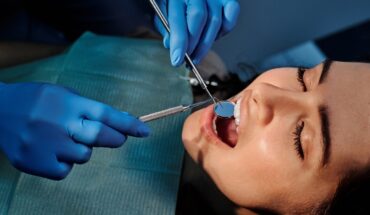
Next comes the cleaning itself. The hygienist removes plaque and tartar with scaling instruments, works carefully along and slightly below the gumline, and then polishes the teeth. Flossing between the teeth is usually part of the process too. Afterward, the dentist performs an exam, which may include X-rays when they are needed to look at areas that are hidden from view, such as between teeth or beneath the gums. How often X-rays are taken depends on your individual risk, so there is no single schedule for everyone.
If you are looking for a dental cleaning service in Upper East Side, it helps to find an office that pairs the cleaning with a thorough exam in the same visit, so that any findings can be discussed while you are still in the chair.
Who May Need Cleanings More Often Than Twice a Year
Some people are better served by a visit every three or four months. Your dentist may suggest a tighter schedule if any of the following apply to you.
- A history of gum disease. If you have been treated for periodontitis, regular maintenance visits help keep the bacteria in check and protect the bone that supports your teeth.
- Heavy tartar buildup. Some people simply form tartar faster than others, which can depend on saliva chemistry, diet, and genetics.
- Smoking or tobacco use. Tobacco affects gum health and can mask the early signs of gum problems, such as bleeding.
- Diabetes. Blood sugar control and gum health influence each other, so closer monitoring often makes sense.
- Frequent cavities. If you tend to develop new decay often, more frequent checkups let your dentist step in sooner and reinforce prevention.
- Dry mouth. Saliva helps wash away bacteria and acids. When there is less of it, whether from medication or a medical condition, teeth become more vulnerable.
- Orthodontic appliances. Braces and aligner attachments create extra places for plaque to collect.
- Pregnancy. Hormonal changes can make gums more sensitive and more likely to swell or bleed, and dentists often welcome a visit during this time.
If you see yourself in this list, bring it up at your next appointment. Your dentist can map out a schedule that matches your situation rather than leaving you to guess.
Who Might Be Able to Go Less Often
Some people have consistently healthy gums, very little plaque, no history of decay, and excellent home care. For these patients, a dentist may be comfortable with a longer interval between cleanings. This decision belongs to your dentist, who bases it on what they see at your exams over time.
If you have been told you can stretch your visits, keep an eye out for any changes. New bleeding when you brush, persistent bad breath, a bad taste, or gum tenderness are signals to book sooner. Staying in touch with your dental team about how your mouth feels is a sensible way to catch shifts early.
Children and Teenagers: Setting Up Good Habits Early
Kids benefit from regular dental visits as soon as their teeth begin to appear, and the typical rhythm is similar to adults, around twice a year. For younger children, visits focus on getting comfortable in the dental setting, checking how teeth and jaws are developing, and talking with parents about brushing, snacks, and fluoride.
Teenagers often face a new set of challenges. Orthodontic treatment, sports, busy schedules, and more frequent snacking all play a role in their dental health. Regular visits give them a chance to get personalized advice and build habits that carry into adulthood.
Cleanings Versus Deep Cleanings
A routine cleaning, sometimes called a prophylaxis, is meant for mouths with healthy gums. If your exam shows signs of gum disease, such as deep pockets between the gums and teeth, bleeding, or bone loss, your dentist may recommend a deeper cleaning known as scaling and root planing. This treatment cleans below the gumline and smooths the root surfaces so that the gums can reattach and heal.
After a deep cleaning, patients typically move to a more frequent maintenance schedule. That plan is designed to hold the progress and prevent the disease from returning. It is a good reason to take early signs seriously. Gum inflammation in its earliest stage, called gingivitis, can often be reversed with good care and professional cleanings, while more advanced disease needs ongoing management.
Signs You Should Not Wait for Your Next Scheduled Visit
Between appointments, your mouth tells you when something needs attention. Contact your dental office promptly if you notice any of these.
- Gums that bleed regularly when you brush or floss
- Red, puffy, or tender gums
- Breath that stays unpleasant even after brushing
- Teeth that feel loose or look like they are shifting
- Gums that seem to be pulling away from your teeth
- Sensitivity to hot, cold, or sweet foods that lingers
- A rough or hard buildup you can feel near the gumline
- Pain, swelling, or a bump on the gums
None of these are a reason to panic. They are simply good prompts to schedule a visit, since many of the underlying causes are simple to treat when caught early.
Dental Implants Still Need Regular Professional Care
Many people assume that a dental implant, being made of titanium and ceramic, is immune to the problems that affect natural teeth. The implant itself cannot get a cavity, but the gum and bone around it can become inflamed. This condition, called peri-implant disease, is one of the main threats to the long-term success of an implant.
Regular professional cleanings and exams let your dental team check the tissue around the implant, evaluate how it is functioning, and clean the area with instruments designed for implant surfaces. If you have replaced a missing tooth or are thinking about it, a practice that offers implant dentistry in Upper East Side NY will typically build maintenance visits into your plan from the start. Your dentist will tell you how often to return, and for many implant patients the answer is the same twice-yearly rhythm, adjusted as needed.
How Insurance Can Shape Your Cleaning Schedule
Many dental plans include coverage for preventive visits, and a common structure allows for two cleanings and exams per benefit year. That structure matches the standard recommendation, which is one reason the six-month rhythm is so widespread. Coverage differs from plan to plan, so it is worth reading your benefits summary or calling your insurer to learn what your plan includes, how it handles X-rays, and whether it covers additional cleanings if your dentist recommends them.
If you are new to an area or have changed jobs and plans, it also helps to ask a prospective dental office which plans they work with before you book. A quick phone call or a look at the office website often answers the question. Understanding your coverage ahead of time removes surprises and makes it easier to commit to a regular schedule.
Making Cleanings Part of a Busy City Routine
In a place like Manhattan, the calendar fills quickly. Work, family, commutes, and everything else compete for your time, and a routine cleaning tends to slide down the list. A few small habits make it easier to stay consistent.
Book your next appointment before you leave the office, since it is much easier to pick a time while you are standing at the front desk than to find one weeks later. Choose a day and time that fits your existing routine, such as an early morning before work or a lunch hour near your office. Add the appointment to your calendar with a reminder a week ahead, and tie it to something memorable, like the start of a season.
Finding a dentist close to home or work also removes friction. Residents who want dependable Upper East Side dental care often prefer a practice they can reach on foot or with a short ride, since a convenient location makes regular visits much more realistic.
Supporting Your Cleanings With Strong Home Habits
What you do between visits has an enormous effect on how your next appointment goes. A few reliable habits make the biggest difference.
Brush twice a day for two minutes with a fluoride toothpaste, using a soft-bristled brush and gentle, small circular motions along the gumline. Electric toothbrushes can make it easier to keep a consistent technique, though a manual brush works well when used carefully. Clean between your teeth daily with floss, interdental brushes, or a water flosser, whichever you will actually use. Replace your toothbrush or brush head every three months or sooner if the bristles look frayed.
Pay attention to what you eat and drink, too. Frequent sipping on sugary or acidic drinks gives bacteria a steady supply of fuel and exposes enamel to repeated acid attacks. Water, especially between meals, helps rinse the mouth. If you wear a nightguard or retainer, clean it regularly so it does not become a source of bacteria.
Questions Worth Asking at Your Next Appointment
Your cleaning visit is a great opportunity to learn more about your own mouth. Consider asking your dentist or hygienist a few of these questions:
- How are my gums doing compared with my last visit?
- Are there any areas I tend to miss when I brush or floss?
- Based on my history, how often should I come in?
- Would a different type of toothbrush or cleaning tool suit my teeth better?
- Are there any early changes you are keeping an eye on?
Answers to questions like these turn a routine visit into a personalized checkup, and they help you understand why your dentist recommends a particular schedule.
Common Myths About Professional Cleanings
A few persistent beliefs keep people away from the dental chair, so it is worth clearing them up.
One myth says cleanings damage enamel. When performed properly, scaling and polishing remove deposits from the surface of the teeth and leave the enamel intact. Another myth is that bleeding during a cleaning means the hygienist was too rough. In many cases, bleeding points to inflamed gums that react to plaque and tartar, and it often decreases as the gums become healthier with regular care.
A third belief is that you can skip the dentist if nothing hurts. Many dental conditions, including early gum disease and small cavities, develop quietly. Pain often shows up only after a problem has progressed, so a visit when everything feels fine is the best time to catch trouble early.
Putting It All Together: A Schedule You Can Stick With
For most adults, a professional cleaning and exam every six months is a sensible default. People with gum disease, a high cavity risk, certain medical conditions, or particular habits may need visits every three to four months, while a small number of patients with consistently healthy mouths may be advised to stretch the interval. Your dentist can tell you which category you fit based on what they see.
The best schedule is the one you will keep. Pick an interval with your dental team, book the next visit before you leave, and pair your appointments with steady daily care at home. Over time, that combination protects your teeth and gums, saves you from larger treatments down the road, and keeps your smile comfortable and confident for years to come.